Adults aged 50 years and older with certain long-term health conditions are among the groups at greatest risk of severe RSV disease, yet a series of GSK commissioned and funded surveys reveal that many people underestimate the impact the virus can have on their health and daily lives. Living with a chronic health condition can bring added challenges, particularly when it comes to RSV. Find out who may be most at risk, separate fact from misconception, and learn how you can help protect yourself and your loved ones.
As the colder months draw in for many countries, the prevalence of respiratory illnesses is spiking. Three viruses, the so-called tripledemic, are especially dangerous for some patients: Covid-19, influenza and respiratory syncytial virus, or RSV.
While the risks are well-known for Covid-19 and influenza, many people underestimate the impact of RSV. The experience of an RSV infection can vary widely, ranging from a cold-like nuisance to a serious illness, but a US study among almost 8,000 adults admitted to hospital between February 2022 and May 2023 found that all three illnesses are of similar severity among hospitalised patients.
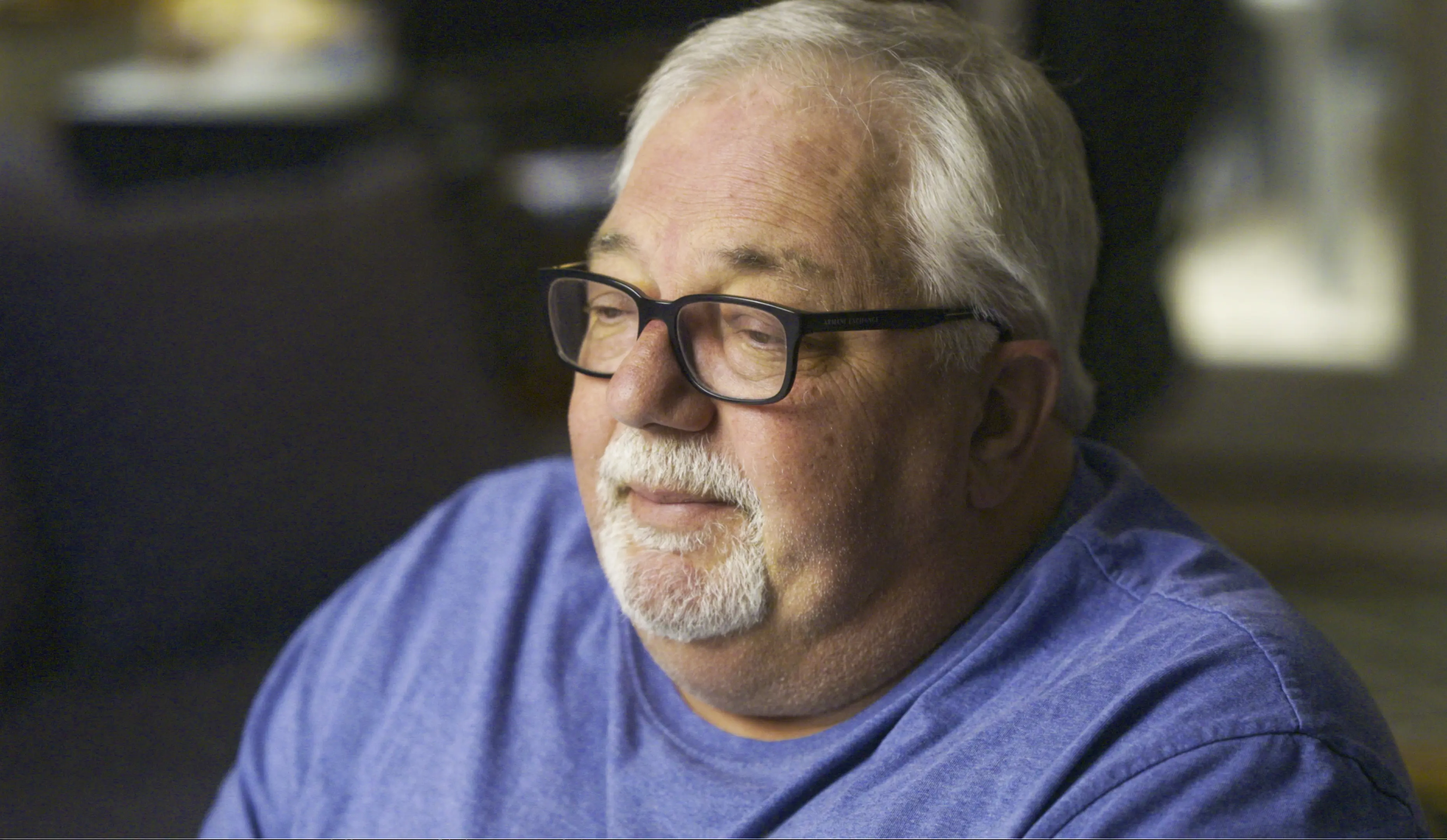
For Kevin, a 63-year-old Canadian living with chronic obstructive pulmonary disease (COPD) and other long-term health conditions, RSV was far more serious than a cold.
“My experience with RSV was life altering. I wound up in ICU and that’s when I discovered I had RSV. Coupled with my COPD, it was definitely a recipe for disaster and, honestly, to this day, I’m still surprised I made it through,” shares Kevin.
After developing severe breathing difficulties, Kevin spent three weeks in hospital, including 14 days in intensive care. He had to relearn how to walk again due to the chronic inflammation associated with COPD, leading to muscle weakness and decreased muscle mass.
RSV can be difficult to distinguish from a cold or flu, but wheezing can be a common sign. Other symptoms to look out for include :
A cough
Fatigue
Fever
Congested or runny nose
Symptoms can become more severe and experts advise that people should seek care immediately if they experience:
Trouble breathing
Chest pain
Worsening of symptoms or dizziness

"Think of RSV as a domino effect for chronic disease management," says Tonya Winders, CEO of the Global Allergy Airways Patient Platform (GAAPP) which unites more than 150 patient advocacy groups supporting people living with these conditions. “An infection can destabilise carefully managed conditions like diabetes, chronic obstructive pulmonary disease (COPD) or heart failure, leading to a cascade of health problems.”
A series of global surveys commissioned and funded by GSK revealed a concerning reality: while the risk of severe RSV symptoms is higher for people with certain long-term conditions, its potential impact is often underestimated and several misconceptions about RSV could be putting people at risk.
The underestimated impact
RSV is estimated to cause over 5 million infections and around 470,000 hospitalisations among over-60s each year in high-income nations alone. The risk of serious illness from RSV in adults increases with age and is higher in people with certain underlying health conditions,” explains Tan.
In one US study, adults with heart failure, for example, were found to be eight times more likely to be hospitalised due to RSV than those without. Severe RSV infection can exacerbate heart failure and individuals with chronic cardiac conditions may require breathing support or intensive care.
Individuals living with long-term illnesses such as cardiovascular diseases, diabetes and chronic lung conditions are more vulnerable to respiratory viruses like RSV because their systems are already under pressure. The ongoing issues associated with these diseases, such as inflammation or difficulty breathing, can make them more difficult to manage, potentially leading to hospital admission.

A survey among over-50s with certain long-term health conditions, commissioned and funded by GSK, found that only half (55%) realised that RSV can be serious, especially for infants, young children and older adults, even though eight in ten expressed concern about the prospect of contracting the virus. That disconnect in perception between personal and general risk can lead individuals to delay seeking timely medical attention and dismiss the importance of protective measures.
The survey found that significant misconceptions around RSV are also leading to an under-appreciation of its impact. One in four mistakenly believed the virus only affects the lungs and respiratory system, and nearly two thirds (62%) did not believe that it can increase the risk of serious complications linked to cardiovascular disease and diabetes.
“Many adults may not be familiar with RSV or understand the effect RSV can have on their health, particularly if they live with existing health conditions” says Professor Timothy Tan Consultant Cardiologist and Conjoint Professor at Western Sydney University. “Even those who have heard of RSV may often only associate the condition with babies and young children, rather than recognise it as an infection that can also affect adults.”
I never knew that RSV could have such a drastic impact on one’s life
Among adults 50 years and over who were surveyed in 2026 and had experienced RSV, one in three reported health disruption lasting over a month, while one in ten said their health was disrupted for over a year or has still not fully returned to normal.
“RSV can have effects beyond the initial infection. While the acute phase of RSV may last around one to two weeks, its longer-term impact can significantly affect a patient’s quality of life and their ability to continue doing the activities they enjoy,” says Professor Tan.
Kevin's experience demonstrates the long-term impact the virus can have. Before becoming ill, he worked, travelled around his community and enjoyed a range of hobbies such as golf, camping and practical projects. Now, everyday activities have become harder, leaving him unable to return to work and increasingly reliant on support from his family.
“Five months since that happened, I still no longer have the strength or the energy, and I’m unable to work at all. I never knew that RSV could have such a drastic impact on one’s life,” Kevin says.

Participants who mistakenly believed the virus only affects the lungs and respiratory system
1 in 4Patients with chronic lung conditions who didn't know their risk of flare-ups due to RSV
43%Patients who didn't believe RSV can potentially increase the risk of certain serious complications
62%
Who is at most risk from RSV?
People living with the following conditions are at greater risk of severe consequences if they become infected with RSV:
Chronic lung conditions, such as COPD and asthma
RSV can trigger severe flare-ups, leading to significant breathing difficulties that require hospital care. Despite this, a 2025 GSK survey has found that 43% of patients with chronic lung conditions are unaware of this risk.
Cardiovascular diseases, like heart failure and coronary artery disease
RSV can place a strain on the heart and potentially worsen certain cardiovascular disease symptoms, making people with underlying cardiovascular disease more than three times more likely to experience worsening of existing heart failure or acute cardiac event when hospitalised with RSV. Despite this, GSK’s 2026 survey found 60% of people with underlying cardiovascular diseases were unaware of RSV's potential to have severe health consequences, and that more than 1 in 5 (22%) adults aged 50 years and older with cardiovascular disease found their condition worsened when they had a respiratory virus.
“For people with coronary artery disease, RSV infection may increase the risk of serious cardiovascular complications, including a heart attack. For people living with heart failure, RSV infection may place additional strain on an already weakened heart. This can worsen their condition, lead to breathing difficulties and in some cases, hospitalisation,” explains Professor Tan.
Diabetes
For individuals with diabetes, RSV can disrupt blood sugar control, making it harder to manage their condition and increasing the risk of serious diabetic complications. In the 2025 GSK survey, more than half (53%) of diabetic patients were unaware of the increased risk of serious diabetic complications due to respiratory infections like RSV.

How to protect yourself against RSV
Older adults living with chronic health conditions, can take these simple steps to help protect themselves, including:
Practice good hygiene: Wash your hands frequently with soap and water for at least 20 seconds and avoid touching your face.
Speak to a healthcare professional about RSV: Ask questions to better understand the virus and how to reduce the risk of infection.
Minimise exposure: Avoid close contact with people who may be infected and consider wearing a face covering in crowded indoor settings, especially during RSV season.
Stay at home if you’re unwell: Prevent spreading the virus to others, particularly vulnerable individuals, by avoiding unnecessary contact if you are feeling ill.
Know your symptoms: Familiarise yourself with the signs of a respiratory infection becoming more serious, such as difficulty breathing, chest pain, confusion, dehydration or worsening symptoms, and do not hesitate to seek medical help if you have any concerns. Early intervention is critical for those who are more at risk of severe infection.
Feature originally published on 19 November 2025.
RSV: At a Glance
Annual infections among 60+ adults in high-income nations
>5mHospitalisations among 60+ adults annually in high-income nations
~470,000


