People can live for decades without knowing they have chronic hepatitis B, but if infections are left untreated, they could progress to serious liver diseases, such as cirrhosis and liver cancer. Experts explain the workings of the virus, how it spreads, and what researchers are exploring to better treat the infection.
It’s estimated that 240 million people are living with hepatitis B globally, of whom less than a third know their diagnosis. Among those who know they have hepatitis B, under 5% are receiving treatment and while vaccination can help protect against hepatitis B, its coverage varies by region.
The viral infection is more common — and more complex — than what meets the eye.
What is hepatitis B?
Hepatitis B is a viral infection that attacks and inflames the liver, one of the body's most important organs. There are five main strains of hepatitis, ranging from A to E, but hepatitis B has the greatest burden and was responsible for more than a million deaths in 2024.
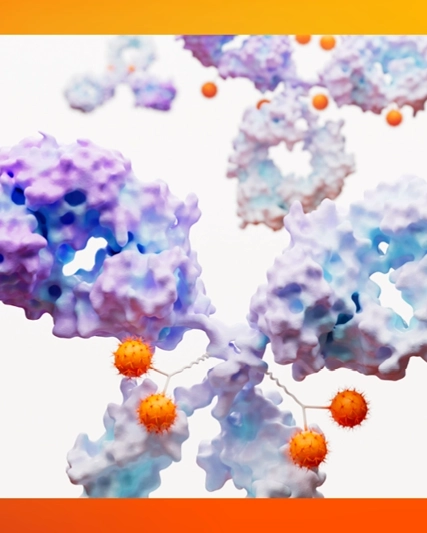
"The virus hijacks the liver cells and starts to produce excess levels of a viral protein called surface antigen,” says Joyeta Das, GSK’s senior global medical director for the disease. “The surface antigen enables the virus to evade the immune system, which means the body is unable to mount an effective immune response, and the virus is able to persist.”
What are the symptoms of hepatitis B?
There are two broad forms of hepatitis B infections: acute and chronic.
Acute hepatitis B is a short-term infection that lasts for six months or less. Symptoms can include:
Loss of appetite
Dark urine and pale stools
Yellow skin or eyes, pointing to jaundice
Fatigue
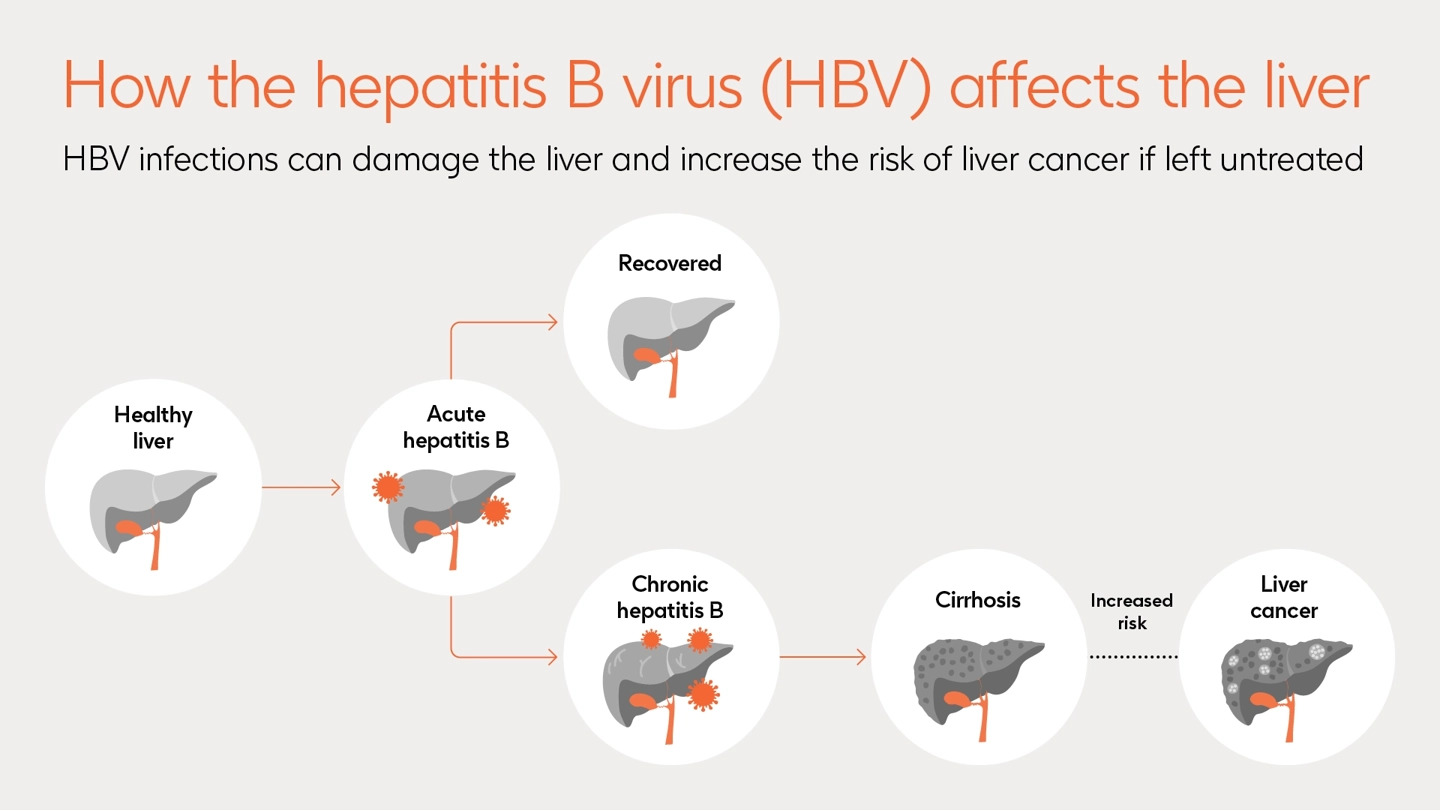
Many adults are able to clear the virus naturally as their immune system fights it off, but if the virus persists in the body for more than six months, the infection is considered chronic.
Chronic hepatitis B can last for decades and is often asymptomatic or displaying non-specific symptoms including fatigue at its early stages. As liver damage develops, patients may face complications including jaundice, fluid retention in the abdomen, and an enlarged spleen.
How does hepatitis B affect the liver?
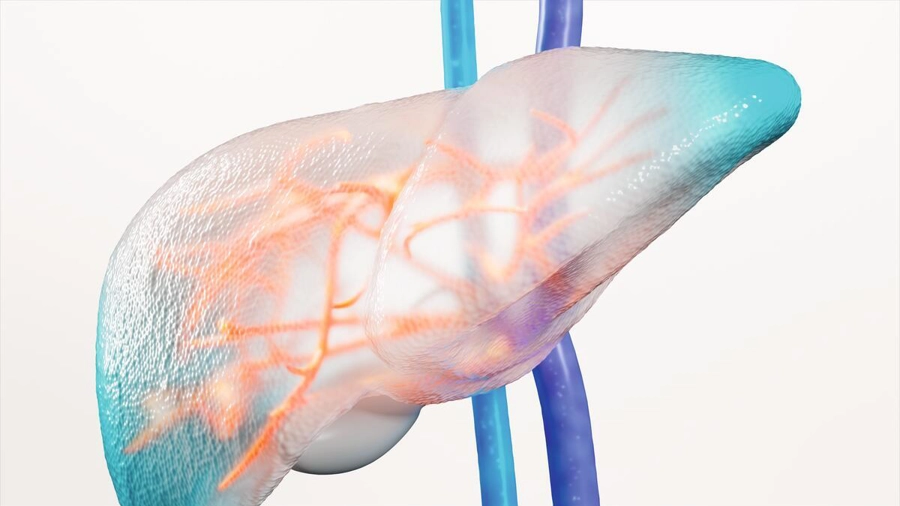
The liver acts as a chemical processing plant in the body, helping to filter toxins from the blood, maintain the body’s energy supply, and aid digestion. When the hepatitis B virus infects the liver, it can, over time, disrupt these functions as well as trigger inflammation that damages the organ over time.
If the disease progresses, it can lead to severe scarring of the liver (called cirrhosis), liver failure, and liver cancer.
“Hepatitis B is one of the leading causes of liver cancer, contributing to about 50% of those cases,” Das says. “So, you can see the massive burden that it plays from a medical perspective, but also from a patient perspective.”
How many people are affected by hepatitis B worldwide?
Around 240 million people are living with chronic hepatitis B globally, according to the World Health Organization (WHO), with the majority in the Western Pacific and African regions, because of poor access to testing and treatment.
China has the greatest number of people living with chronic hepatitis B at 75 million, accounting for nearly a third of the global burden, but cases are worldwide, with an estimated 1.7 million in the US and nearly a million in Japan.
Despite the scale, hepatitis B remains poorly understood among the public and caused an estimated 1.1 million deaths in 2024 — largely linked to cirrhosis and liver cancer.
Meanwhile, about 68% of new infections currently come from the African region, according to WHO estimates.
Why does hepatitis B become chronic in some people?
The age when someone becomes infected strongly influences what happens next.
Adults who contract the virus are usually able to clear it naturally because their immune systems can recognise and fight the infection effectively.
For babies and young children, however, the situation is very different. Their immune systems are still developing, making it easier for the virus to establish a long-term presence in the body. As a result, infants infected at birth and early childhood have around a 90% chance of developing chronic hepatitis B.
“This is really down to the maturity of the immune system,” Das says. “It’s very symptomless, and hepatitis B is known as a silent disease. So many people don’t actually know that they have it.”

- 1.1m
Approximate deaths from chronic hepatitis B (2024)
- 240m
Estimated number of people living with chronic hepatitis B globally
- <5%
Fraction of people with hepatitis B who are on treatment
How do you get hepatitis B?
Hepatitis B spreads through exposure to infected blood, bodily fluids such as during sex, needles, and syringes.
The hepatitis B virus can be passed from mother to child, which is one of the most common routes of transmission as well as among children up to 5 years old among populations where there’s a high burden of the disease.
Importantly, hepatitis B does not spread through casual day-to-day contact through hugging, coughing, sneezing, or sharing meals. Misconceptions about how the virus spreads have contributed to stigma and discrimination against people living with hepatitis B, Jessica Hicks, senior director at the World Hepatitis Alliance, points out. “Awareness is a big, big problem,” she says.
The only reliable way to know whether you have hepatitis B is through a blood test, which people may do as part of routine health screenings. In many countries, pregnant women are tested for hepatitis B because identifying the virus early can help prevent transmission to newborn babies.
Routine testing is key to identifying cases of hepatitis B globally, Hicks says. “If we can make testing routine, it removes any potential stigma, and it ensures that we're capturing the widest number of people,” she explains.
Testing can identify whether someone has an active infection, has recovered from a previous infection or has protection from vaccination. Early diagnosis is crucial because early treatment and monitoring can reduce the risk of severe liver damage and liver cancer.
What does hepatitis B do to your body?
The hepatitis B virus targets liver cells after entering the bloodstream and replicates itself.
Unlike many viral infections that the body can quickly recognise and eliminate, hepatitis B has evolved ways to avoid the immune system. It does this in a step-wise process.
Once the hepatitis B virus enters the bloodstream, it travels to the liver, where it targets and enters liver cells. From there, it begins making copies of itself. One of the virus's key survival tricks is producing large amounts of a protein known as hepatitis B surface antigen (HBsAg), which helps it evade detection by the immune system.
Inside infected liver cells, the virus creates a stable DNA structure known as covalently closed circular DNA (cccDNA), which allows the hepatitis B virus to persist permanently in the liver cells, enabling the virus to replicate.
As immune cells attempt to eliminate infected liver cells, inflammation develops. Over many years, repeated cycles of inflammation and repair can leave behind scar tissue, a process known as fibrosis. So, the damage caused by hepatitis B is often the result of an ongoing battle between the virus and the immune system.
If enough scar tissue accumulates, the liver can become severely damaged, leading to cirrhosis and significantly increasing the risk of liver cancer. Since these changes occur gradually, many people feel completely healthy even while damage is accumulating internally.
Can hepatitis B be prevented with vaccination?
Yes. Hepatitis B can be prevented with vaccination.
Hepatitis B vaccination has been available for more than 40 years and provides strong, long-lasting protection against the infection. In many countries, it is routinely given during infancy as part of national immunisation programmes.
Vaccinations have dramatically reduced rates of new infections wherever coverage is high. The WHO reported that the number of new infections globally fell by 32% between 2015 and 2024, due to vaccination programmes.
One of the most important uses of vaccinations is preventing transmission from mother to child. Babies who receive vaccination within 24 hours of birth followed by two or three doses after could be protected against hepatitis B for at least 20 years, if not for life, according to the WHO.
However, significant gaps in vaccination coverage remain, particularly in regions where access to healthcare is limited or where newborn immunisation rates remain low. This is one reason hepatitis B continues to affect hundreds of millions of people worldwide.
“It's a bit of a mixed picture because vaccination is helping hepatitis B overall prevalence decrease, but really, quite slowly, if you consider we've had [vaccinations] for 40 years,” says Hicks from the World Hepatitis Alliance. “And mortality [rate] continues to rise, which shows we're not doing a good enough job.”
Hicks believes expanding vaccination programmes, alongside better testing and treatment, is essential to eliminating hepatitis B one day.
How is hepatitis B treated and is there a cure for it?
Antiviral medications are highly effective at controlling the virus and are the standard of care in many countries. They consist of a daily pill that works by blocking the virus from replicating, which reduces the amount of virus in the bloodstream. This, in turn, reduces inflammation and long-term damage to the liver and lowers the risk of serious complications such as cirrhosis and liver cancer.
However, these medicines do not fully eliminate the virus from the body. This is because the hepatitis B virus leaves behind a persistent genetic blueprint — the stable cccDNA structure — inside liver cells that the medicines generally do not remove even when the infection appears under control.
As a result, genetic instructions for the virus can remain in the liver even when blood tests show that viral levels are very low or undetectable. If treatment is stopped, that hidden reservoir could begin producing new virus particles again, allowing the infection to re-emerge. This is one of the main reasons many people with chronic hepatitis B need long-term treatment and monitoring.
While treatments can dramatically improve outcomes, they do not currently provide a complete cure.
“Standard of care treatments really focus very much on viral suppression alone and do very little to [reduce] surface antigen,” Das says. “Our understanding of the biology of chronic hepatitis B has evolved, and we really recognise that it's a combination of both the virus but also the immune response.”
Immune modulators are also used in some countries to boost immune responses against the virus.
You might also like

Why has hepatitis B become a global health problem?
Low awareness globally of hepatitis B means many people do not know they are infected until serious complications develop. Improved testing remains a massive challenge for healthcare systems globally.
“One of the real difficulties with hepatitis B is that because there are no real symptoms, and some of the symptoms like tiredness or fatigue can be put down to many other lifestyle factors, people just aren't aware,” Hicks says.
Among the millions living with hepatitis B, only 27% of them were aware of their infection in 2024, of whom only 4.3% were on treatment, according to the WHO.
What does the future of hepatitis B treatment look like?
Antiviral treatments have helped patients live long and fulfilling lives with hepatitis B. The goal for scientists is to find a cure for hepatitis B, as with any other disease. To achieve this, they are increasingly interested in understanding the complex relationship between the virus and the immune system.
“There's a lot of interest in the role that the immune system and the immune response has,” GSK's Das says.
Understanding why the immune response fails to clear the infection, why some people develop chronic disease and others do not, and how ongoing inflammation damages the liver could provide important insights into the biology of the disease and future treatment approaches.
“We have the power to transform the lives of the 240 million people globally that are living with hepatitis B,” says Hicks.
Hepatitis B: At a Glance
Fraction of people with the infection who know they have it
27%Years since the hepatitis B vaccination has been available
>40Drop in number of global hepatitis B infections from 2015 to 2024
32%